




The World Cup sleep game plan
The 2026 FIFA World Cup is billed to be one of the biggest sporting events ever staged. Hosted in 16 cities across the USA, Canada and Mexico, 48 teams will compete in a total of 104 matches featuring 13 different kick-off time.
But while football fans across the world are eagerly anticipating the action, the timing of many matches could create an unexpected challenge for many - sleep deprivation.
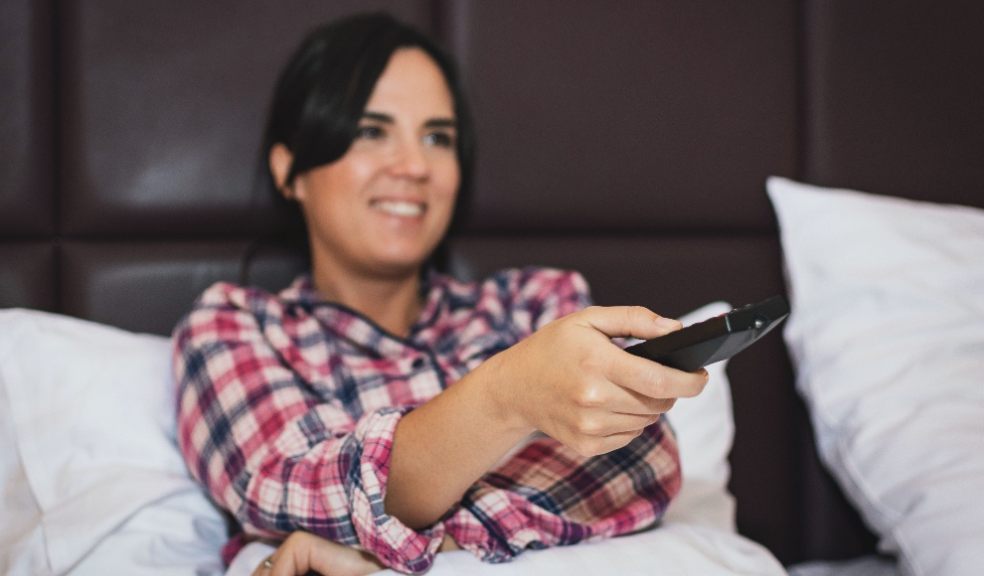
As matches are being played across multiple North American time zones, many games will kick off late in the evening - or even in the early hours of the morning - for UK viewers. In fact, almost half of the group-stage matches are scheduled to start after midnight British Summer Time (BST), with some kicking off as late as 5am.
For many fans, this means a month of disrupted sleep, irregular bedtimes and weary starts for work the next morning with one recent poll suggesting 79% of Brits will give up sleep to tune in.
Why Does Sleep Matter?
Sleep is not simply "downtime". Mike Wakeman, researcher, pharmacist and the brains behind Evera Nutrition – www.everanutrition.co.uk – says: “Sleep supports our health including our immune function; allows the brain to consolidates memories and regulate emotions as well as restoring mental and physical energy as well as allowing the body to heal. Even a few nights of reduced sleep can impair concentration, reaction times, decision-making and mood. Research has consistently shown that sleep restriction reduces alertness and cognitive performance in a manner similar to alcohol impairment.”
The challenge during these sorts of major sporting tournaments is that excitement itself can make it difficult to fall asleep. GP, Dr Nisa Aslam and an adviser to Evera Nutrition notes: “Adrenaline, emotional highs and prolonged exposure to bright screens can delay the body's natural production of melatonin, the hormone that signals that it is time to sleep and as a result disrupt normal circadian rhtyhms.”
Mike Wakeman continues: “Given that pubs are allowed to stay open in some instances until 2am, many fans may also rely on alcohol or energy drinks to get through late-night matches, creating conditions that further disrupt sleep quality and next-day performance.”
The Sleep And Focus - Double Challenge
Mike Wakeman continues: “In these circumstances, although early morning tiredness is almost inevitable, the impact will likely be felt most strongly the following afternoon. This is because many people experience a natural dip in alertness between 2pm and 4pm due to circadian rhythms. When this combines with reduced sleep, concentration, productivity and motivation can suffer significantly.³
This means that World Cup viewing habits can affect not only sleep quality but also daytime focus, energy and performance at work.”
Supporting sleep and next-day alertness
Whilst good sleep hygiene remains the foundation of healthy sleep, nutritional support can also play a role. Mike Wakeman explains: “Evera Nutrition Deep Sleep combines nutrients and botanicals selected to support relaxation and healthy sleep patterns, including magnesium, saffron, lemon balm, passionflower, ziziphus, tart cherry and L-theanine.”
Dr Nisa Aslam notes: “For those struggling with issues around poor daytime concentration and mental performance following disrupted sleep, Evera Nutrition Focus & Energy combines B vitamins, magnesium, choline, N-acetyl-L-carnitine, tyrosine, PQQ and carefully selected botanicals to support mental performance, focus and energy metabolism. Although neither product is intended to replace healthy sleep habits, they may provide useful support.”
7 Tips for surviving the World Cup without ruining your day and night
1. Pick your matches: You do not need to watch every game live. Prioritise the matches that matter most and use highlights for the rest.
2. Protect your wake-up time: Try to maintain a consistent morning wake-up time, even after a late match. This helps preserve your circadian rhythm.
3. Limit late night energy quick fixes:
Avoid coffee, energy drinks and high-caffeine products within six hours of planned sleep whenever possible.
4. Keep alcohol in moderation: Alcohol may make you feel sleepy initially but often fragments sleep and reduces sleep quality later in the night.⁴
5. Use light strategically: Dim screens and household lighting after late matches to help your brain switch into sleep mode more quickly.2
6. Beware the afternoon slump: If you've had a short night, stay hydrated, eat a protein-rich lunch and take a brief walk outdoors to improve alertness.
7. Support Sleep and Focus Naturally: If the World Cup schedule is affecting your sleep routine, consider supporting both sides of the equation: Evera Nutrition Deep Sleep to help maintain healthy sleep patterns and Evera Nutrition Focus & Energy to support concentration and mental performance the following day.