






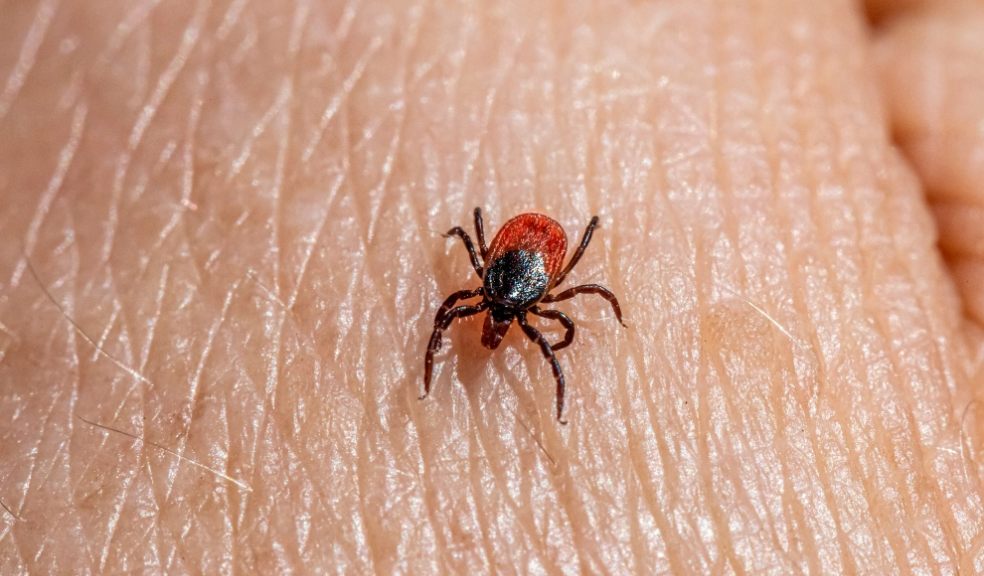
Pharmacist warns against common tick removal mistakes
People who discover a tick bite are being urged to avoid popular home remedies that can aggravate the parasite and potentially increase the risk of infection.
Ayesha Bashir, prescribing pharmacist at online pharmacy Chemist4U, said ticks should instead be removed promptly using fine-tipped tweezers or a purpose-made tick removal tool.
“We’ve all heard the hacks around suffocating a tick or burning it off to remove it as swiftly as possible,” she said.
“But not only are these methods outdated, they’re potentially dangerous, as many can cause the tick to release further saliva into your bloodstream.
“If you do spot a tick following a bite, it’s important to deal with it both quickly and safely.”
Regular household or eyebrow tweezers may be too blunt and can squeeze the tick’s body during removal. Fine-tipped tweezers should be used to grasp it as close to the skin as possible before pulling slowly and firmly upwards.
Petroleum jelly, nail varnish, chemicals and lit matches should not be used because they can aggravate the tick. The advice is supported by the UK Health Security Agency, which recommends cleaning the bite with antiseptic or soap and water after the tick has been removed.
The bite should then be monitored for several weeks for any changes. UKHSA guidance says the risk of infection increases the longer a tick remains attached, making prompt and correct removal important.
Ayesha said mild redness and itching immediately after a bite was often caused by the skin reacting to tick saliva and would usually settle by itself. A pharmacist can advise whether a treatment such as hydrocortisone cream is appropriate.
“Some ticks can be as small as a grain of sand, so it’s easy to miss their bite,” she said.
“They also inject a mild anaesthetic as they feed, so you often don’t feel the bite happening in real time.
“Fortunately, a tick bite on its own isn’t usually a sign of infection. Not all ticks carry the bacteria that cause Lyme disease, but spotting one early and removing it correctly can make a real difference.”
People are advised to contact their GP or NHS 111 if they develop a circular or oval rash around the bite, particularly one that spreads outwards, or experience flu-like symptoms including fever, chills, headaches, fatigue or muscle and joint pain.
Medical advice should also be sought if unexplained joint pain or swelling develops, the bite becomes increasingly red or painful, or there is facial numbness or drooping.
Ayesha added: “If you notice any of these symptoms, it’s worth seeking medical advice even if you don’t think they’re connected to the bite.”
The UKHSA advises people to check their skin and clothing after spending time in woodland, grassland, parks or gardens. Particular attention should be paid to skin folds, armpits, the groin, waist, behind the knees, the neck and the hairline.