


Why “feeling young” is the new looking young: the rise of functional ageing
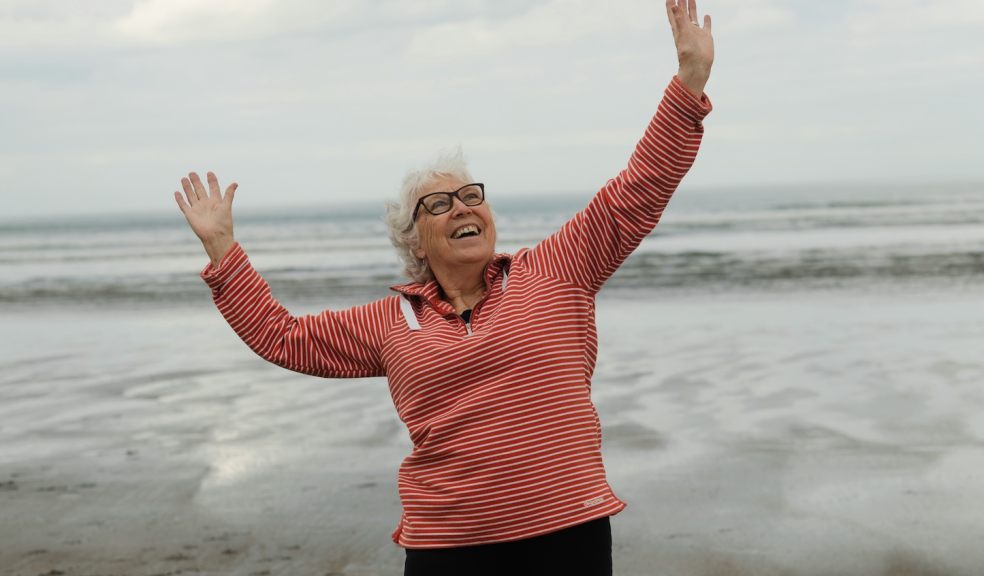
Anti-ageing culture is changing. For a long time, it was wrinkle-reducing creams that promised to turn back the clock, making us look younger. However, a new study found that Brits now prioritise feeling good over looks.
New research from DoNotAge.org reveals that 65% of Brits now prioritise feeling young over looking young, highlighting a cultural change in mindset. Instead of chasing flawless skin, we’re chasing energy, clarity, strength: maximising our peak health span.
While life expectancy has increased, many of us are starting to question the quality of those extra years. The concept of “health span”, how long we stay healthy, active, and independent, is becoming far more important than simply adding years to our lives.
And the data suggests we’re already feeling the strain. Over a third of Brits (37%) say they feel physically older than their actual age, while nearly half admit they previously neglected their health because they thought they were “too young” to worry about it.
Modern life plays a huge role. Poor sleep, long hours at desks, ultra-processed diets, and constant stress are all contributing to burnout and fatigue. Over time, these habits chip away at our energy, strength, and mental clarity, making us feel older than we actually are.
Experts warn that fatigue is frequently mistaken for frailty, when in reality, it’s often the result of lifestyle factors that can be improved. So, if anti-ageing is no longer about appearances, what does it look like now?
Strength over skincare
Muscle health is becoming one of the biggest predictors of how well we age. From our 30s onwards, we naturally begin to lose muscle mass, a process known as sarcopenia, which can lead to that “weaker” feeling many people associate with getting older.
Resistance training, by lifting weights or using your own body weight, will help build and maintain muscle and is one of the most effective ways to support long-term health, mobility, and energy.
An energy glow up
Energy is now the ultimate wellness goal. Low energy is one of the biggest reasons people feel older than they are, and often, the root cause is surprisingly simple: poor sleep. In fact, sleep quality is one of the biggest drivers of daytime fatigue.
Then there’s the caffeine trap. While that extra coffee might feel like a quick fix, it can create a cycle of temporary boosts followed by crashes—leaving you more exhausted in the long run.
Brain health is the focus
It’s not just physical ageing that people are worried about. Nearly 6 in 10 Brits cited memory loss and cognitive decline as major concerns. The good news is that cognitive decline isn’t always inevitable.
Many common complaints, like brain fog or forgetfulness, are often linked to poor sleep, inflammation, or nutrient deficiencies rather than age itself. Addressing these can have a noticeable impact on mental clarity and focus.
How supplement priorities have changed
The supplement industry is evolving alongside this mindset change. Instead of products promising a magic solution to ageing, there’s a growing demand for those that support energy, recovery, and cognitive performance.
Alan Graves, Clinical Research Advisor at DoNotAge.org said, “We’re seeing a shift from ‘live longer’ to ‘feel better now’, aligning with a broader trend seen in our data, where people are increasingly focused on how they feel day-to-day, rather than long-term or cosmetic ageing. With most Brits prioritising feeling young over looking young, demand has shifted toward supplements that deliver noticeable improvements in energy, recovery and mental clarity.”
Ingredients like NMN, spermidine, and CoQ10 are gaining traction, not because they promise miracles, but because users report feeling tangible day-to-day benefits. But while supplements can play a role, experts are clear: they’re not a shortcut.
Alan continues,
“The single biggest mistake people make when trying to live healthily for longer is chasing the next shiny thing instead of mastering the basics. So many people jump from TikTok trend to TikTok trend - while sleeping five hours a night and eating ultra-processed food.
“This is particularly relevant given that 41% of Brits, according to our survey, believe they don’t yet need to worry about ageing, despite many already reporting symptoms like fatigue or reduced energy.
“The reality is that no supplement can outrun an unhealthy lifestyle. Sleep, protein, movement and stress management are 80% of the game, and supplements are the remaining 20%.
“And what most people miss is that they focus on adding years, not on peak span. Peak span is the period in your life when you're performing at or near your personal best in any given physical or cognitive ability, whether that's running speed, grip strength, memory recall or reaction time.
“There’s also false advice to avoid, particularly the claim that you can ‘reverse ageing completely’. You can slow it, and in some markers reduce biological age slightly, but you’re not becoming 21 again just yet."
Ageing isn’t something we can stop, but how we experience it is increasingly within our control. The goal is to feel energised, capable, and mentally sharp for as long as possible.