




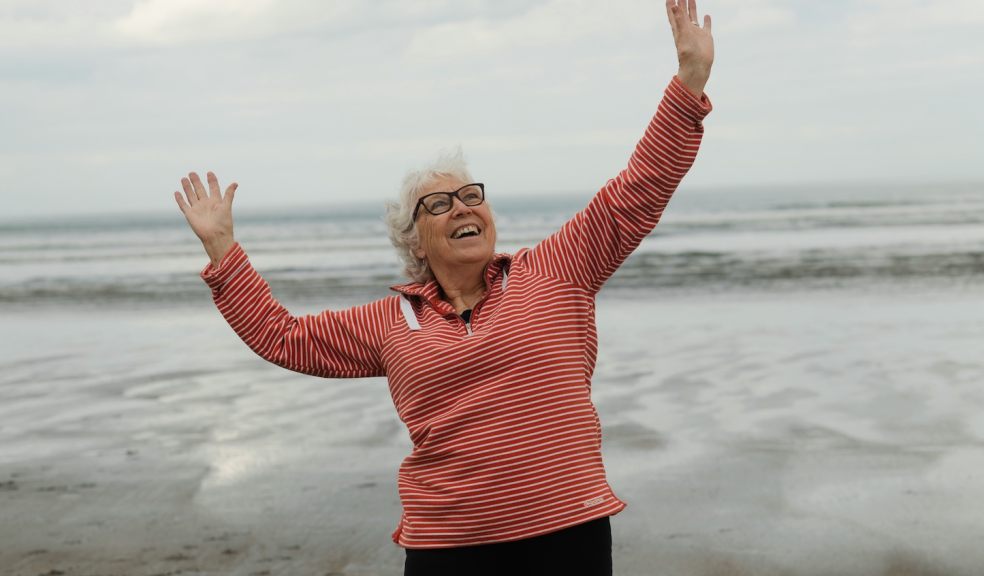
UK health culture moves away from superficial "anti-ageing" aesthetics toward functional longevity
British attitudes toward ageing have reached a turning point as the nation moves from superficial "anti-ageing" aesthetics toward the pursuit of functional longevity.
According to a new study of over 2,000 UK adults by DoNotAge.org, a significant 65% of Brits now prioritise feeling young over looking young, signalling a cultural change toward "peak health span" in the era of maintaining energy, independence, and cognitive clarity for as long as possible.
Despite this newfound focus on biological health, the transition hasn't been seamless though, 37% of the population already report feeling physically older than their chronological age, and nearly half admit to previously neglecting their health under the false belief that they are "too young" to care.
Alan Graves, Clinical Research Advisor at DoNotAge.org said,
What are your top tips for those feeling old, frail, or weak?
“Feeling old, frail and weak is a common feeling, in a recent DoNotAge.org survey to 2,000 Brits, 64% of UK adults cited physical decline as their biggest fear about ageing, making it the number one concern for Brits nationwide. Our data also reveals that the average DoNotAge.org customer is now 56 years old, highlighting how longevity has become a priority in midlife rather than later years.
“If you’re feeling old, frail and weak, start with resistance training before reaching for any supplement. Muscle loss, known as sarcopenia, typically begins around age 30 and gradually accelerates as you age. This is what drives that feeling more than anything else, and lifting something heavy or using your own body weight is the single most effective intervention. Protecting your muscle as you age is very important, and some people say they dont want to do weights so they dont get too muscly, but trust me, building muscle is very very hard, so just get lifting!
“Protein intake is important as part of a balanced diet. Supplementation can also help, people taking DoNotAge every day recover faster after exercise, meaning you can then exercise again and keep fitter.
“Finally, don't mistake fatigue for frailty. People who report feeling weak are often dismissed by doctors as simply ‘getting older’, so doing what you can to get healthy is very important. Regular sleep, enough protein, the right supplements and resistance exercise are the keys."
What are your top tips for those lacking energy?
“Energy levels may also explain why so many people feel older than they are. Our recent survey data shows that 37% of Brits feel physically older than their actual age. This could point to widespread fatigue and burnout, but it might also reflect factors like poor sleep, undiagnosed vitamin deficiencies, low physical activity, or simply a cultural tendency to equate feeling tired with feeling old.
“Many of our customers report low energy as a key driver for supplement use, with post-purchase feedback most commonly citing improvements in energy levels and reduced fatigue after consistent use.
“So when it comes to a lack of energy, look at sleep quality before anything else. Poor sleep is the number one driver of daytime fatigue in the UK, and magnesium glycinate before bed can help without the grogginess of sleeping pills.
SureSleep is a supplement that contains tart cherry, which increases your melatonin production naturally, as well as a healthy dose of magnesium glycinate, which helps you to get off to sleep nicely.
“Be wary of the caffeine crash loop, too. Many people use coffee to prop up flagging energy, but it borrows from tomorrow. Consider cycling off caffeine for at least two weeks to reset your baseline, and definitely no caffeine past midday."
What are your top tips for those experiencing reduced brain health, cognitive function and/or memory loss?
"Cognitive decline is a major concern, with 59% of UK adults in our recent health survey naming memory loss or cognitive decline as one of their biggest fears about ageing.
"The biggest mistake people make is thinking brain decline is inevitable. It isn't. Most age-related memory complaints are driven by poor sleep, chronic inflammation, and nutrient deficiencies, nothing to do with time itself. If you fix those three, brain function usually follows.
"That's the thinking behind DoNotAge® the daily longevity sachet, which is clinically proven as a complete formulation in human trials. It combines 1,000 mg of NMN and 200 mg of CoQ10 to support mitochondrial function in neurons, spermidine for autophagy (the cell's debris-clearing process directly linked to brain ageing), resveratrol and quercetin to calm neuroinflammation, and our proprietary SulforaBoost® which is a broccoli-sprout compound with growing evidence base around brain ageing. It's a stack built around what's actually going wrong in the ageing brain, rather than a single nutrient."
What are the best selling anti-ageing supplements in 2026? Why are they popular?
|
Product |
Orders (% of DoNotAge.org customers) |
|
SIRT6Activator® |
65% |
|
Pure NMN |
63% |
|
Pure Spermidine |
49% |
|
Ca-AKG |
40% |
|
Pure TMG |
35% |
|
Vitamin D3, K2 & Magnesium |
30% |
|
Pure Berberine |
27% |
|
SulforaBoost® |
23% |
|
Pure Hyaluronic Acid |
22% |
|
Ca-AKG |
21% |
|
Pure Omega 3 |
19% |
|
Hydrolysed Collagen Peptides |
19% |
|
Creatine |
18% |
“Looking at internal DoNotAge.org data from UK customers across 2025 and 2026, the best-selling anti-ageing supplement is SIRT6Activator®. Customers love it because they feel real energy benefits - the most common feedback we hear is simply ‘’it just works”. This is reflected in customer behaviour, with SIRT6Activator® appearing in 65% of all orders and remaining the dominant entry point into longevity supplementation.
“In second place is NMN, which boosts NAD+ levels and helps people recover faster, meaning they feel more “like themselves again”.
Spermidine is also very popular, this supports autophagy (the body’s cellular cleanup process) and is particularly popular with the 45-plus crowd.
“Rounding off the top 4 is Ca-AKG (calcium alpha-ketoglutarate), an epigenetic regulator gaining traction after multiple studies showed measurable biological age reduction. Key trends for 2026 include the explosion of Ca-AKG searches are up over 200% year-on-year as people now understand its power.
“We’re also seeing a shift from ‘live longer’ to ‘feel better now’, aligning with a broader trend seen in our data, where people are increasingly focused on how they feel day-to-day, rather than long-term or cosmetic ageing. With most Brits prioritising feeling young over looking young, demand has shifted toward supplements that deliver noticeable improvements in energy, recovery and mental clarity.”
What’s the single biggest mistake people make when trying to live healthily longer?
“The single biggest mistake people make when trying to live healthily for longer is chasing the next shiny thing instead of mastering the basics. So many people jump from TikTok trend to TikTok trend - while sleeping five hours a night and eating ultra-processed food.
“This is particularly relevant given that 41% of Brits, according to our survey, believe they don’t yet need to worry about ageing, despite many already reporting symptoms like fatigue or reduced energy.
“The reality is that no supplement can outrun an unhealthy lifestyle. Sleep, protein, movement and stress management are 80% of the game, and supplements are the remaining 20%.
“And what most people miss is that they focus on adding years, not on peak span. Peak span is the period in your life when you're performing at or near your personal best in any given physical or cognitive ability, whether that's running speed, grip strength, memory recall or reaction time.
“There’s also false advice to avoid, particularly the claim that you can ‘reverse ageing completely’. You can slow it, and in some markers reduce biological age slightly, but you’re not becoming 21 again just yet."